The panel apartment boom: are old flats still a good investment?
Renovated panel apartments are reaching €3,000 per sqm in some areas — but is it actually worth it? Here’s what the data shows.

7 min
8 May 2026
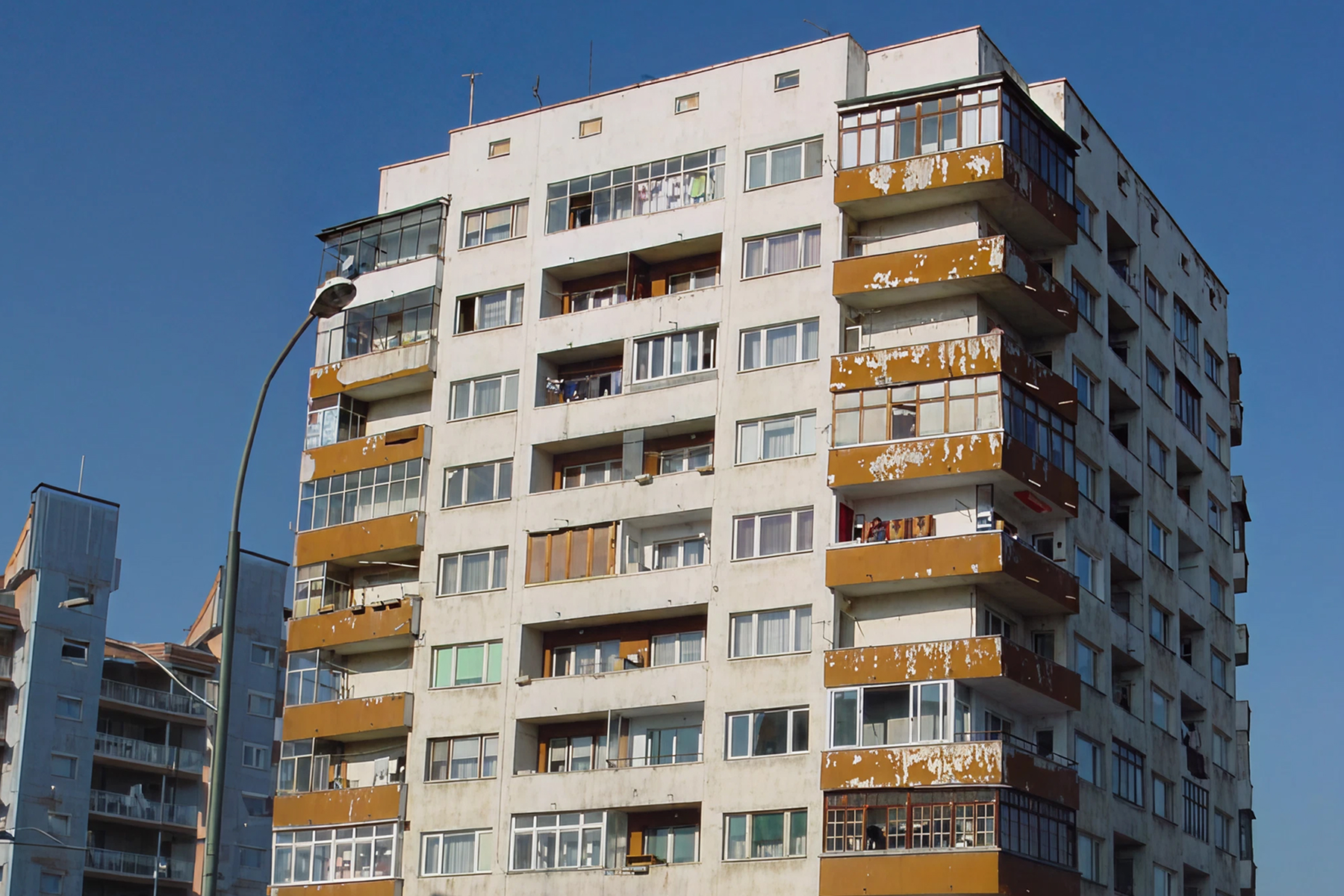
In recent years, panel apartment prices in Bulgaria have defied expectations. Once considered budget housing, these Soviet-era flats (known locally as панелки) are now attracting strong demand, especially when renovated and well located.
But rising prices don’t automatically mean strong investments. Understanding what drives value — and where risks remain — is essential.
Platforms like Fair Market aggregate verified listings and historical price data, helping buyers see real market behavior instead of isolated examples or hype.
Panel apartment prices are rising, but unevenly
Across Bulgaria’s major cities, panel apartments remain a core part of the housing market — but pricing varies significantly by condition and location.
- Sofia: renovated panel flats in prime areas can exceed €3,000/sqm, especially when fully modernized
→ broader average: ~€1,700–€2,300/sqm depending on district and condition - Varna: renovated units typically trade around €1,300–€1,500/sqm
- Plovdiv: average panel prices are often around €1,300/sqm, with variation by neighborhood
What this shows is important: panel housing is no longer automatically “cheap housing.” Value is now driven more by renovation quality, location, and infrastructure than by building type alone.
Why panel apartments are still in demand
Despite their age, panel flats remain a significant part of Bulgaria’s property market.
High transaction volume
In Sofia, panel apartments accounted for more than one-third of all apartment sales in 2025, showing sustained demand.
Better affordability and space
Compared to new builds, panel apartments often offer:
- larger usable living space
- lower price per square meter (even after renovation)
Established infrastructure
Many panel districts already have:
- schools and kindergartens
- public transport access
- parks and retail infrastructure
This combination keeps them relevant even in a rising market.
Panel apartments vs new construction
When evaluating investment potential, price alone is not enough.
In some locations, renovated panel apartments can compete directly with newer buildings — especially when they are well maintained and strategically located.
What buyers need to watch before investing
Not all panel apartments offer the same value. Key factors include:
Renovation quality
Cosmetic upgrades are not the same as full modernization (wiring, plumbing, insulation, structural improvements).
Future maintenance costs
Older buildings may require major shared investments such as:
- roof repairs
- elevators
- façade insulation
These costs can significantly impact long-term returns.
Supply and long-term demand
As buildings age, some segments may face declining livability or higher maintenance requirements, which can affect future pricing dynamics.
Why verified data matters in this segment
The panel apartment market is highly inconsistent. Prices can vary widely even within the same neighborhood.
That’s why verified historical data is critical to understanding real value.
Platforms like Fair Market help buyers:
- track historical price trends
- compare neighborhoods more accurately
- identify inflated or outlier listings
- evaluate seller and listing reliability
This reduces reliance on anecdotal pricing and improves investment decisions.
Final thoughts: not all panel apartments are equal
The panel apartment segment in Bulgaria has shown surprising resilience. In many cases, renovated and well-located units now compete with new construction on price — and sometimes on livability.
However, the key variable is no longer the building type itself, but:
- condition
- location
- long-term maintenance risk
- neighborhood demand
In other words, panel apartments are not automatically good or bad investments — they are highly context-dependent.
The strongest decisions today are based on verified data, not assumptions about “old vs new” housing.
Ready to get know the market?
Stay up to date with the latest real estate market updates, new product updates, case studies and latest blogs.
By signing up, you agree to receive communications Fair Market.